Dystopian future novels have gained quite a lot of popularity since the release of the first Hunger Games movie in 2012. I have long been a fan of these types of books and have read my fair share of them. While each one has its obvious differences, they all have, more or less, the same central idea; The future is a disaster full of destruction, hate, death, oppression, and survival. I started to notice these similarities between the different series and could even predict what was going to happen in one book, based off of others I had read.
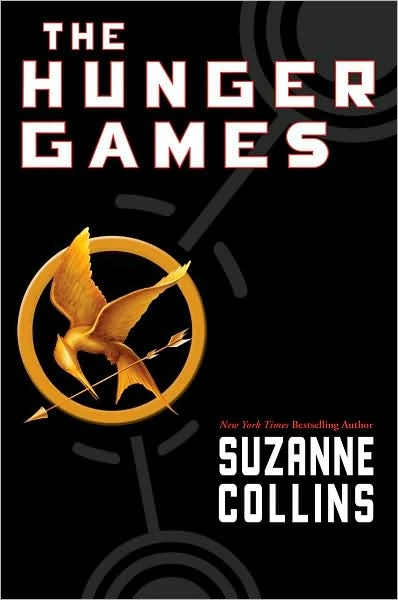 Most, if not all, dystopian future novels have an overly brave and gutsy teen protagonist. Their bravery (and stupid decisions) somehow allow them to save their collapsing society from the corrupted and oppressive government. I use the Hunger Games as an example because most people are familiar with the books, or at least have seen the movies. Katniss, the main protagonist, is only 17 years old while the series is taking place. Her actions destroy the Capitol and bring an end to a government that has ruled for over 75 years. That’s a pretty big deal for someone so young, and is also pretty unrealistic. However, there’s a reason Katniss was written to be this age. The Hunger Games, as well as many other dystopian future novels, are written for teens and young adults. Young characters are created as a way for readers to relate more closely to the stories and characters. Another convention of dystopian novels is a group of rebels that goes against authority and disregards the rules. These rebels act as allies to the main character and also give the readers a cause to support as they progress through the novel.
Many dystopian novels also touch on the concept of “Us” vs “Them”. They divide the population into groups in some way or another. Districts, factions, castes, call them what you will. Each is the same in principle and is used to show a hierarchy within the society. The whole point for writing a dystopian novel is to create a story that appeals to the target audience. I think the extreme portrayals of “Us” vs “Them” that is seen in many of these novels is appealing to readers because it is so unlike their daily life and it can be fun to imagine what living in a different world would be like. And finally, mixed in with all of the action, danger, and survival is a love story. A love story, could be a genre on its own, but it holds certain characteristic as a convention of dystopian future novels. Typically the 2 characters are thrown together under horrible circumstances. They must deal with the ups and downs of their relationship all while fighting for their life.
There are dozens of other conventions of dystopian future novels. Rebel forces, near death experiences, the death of important characters, and even that they get turned into movie franchises. Not every dystopian future novel contains every convention discussed, however some appear more often than others. The reason these certain characteristics are so frequently used is because they appeal to readers and allow them to connect more deeply with the story.
_by_Veronica_Roth_US_Hardcover_2011.jpg)
The Hunger Games
|
Diverget
|
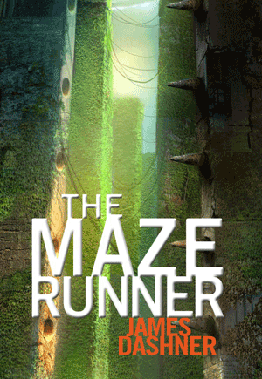
The Maze Runner
|
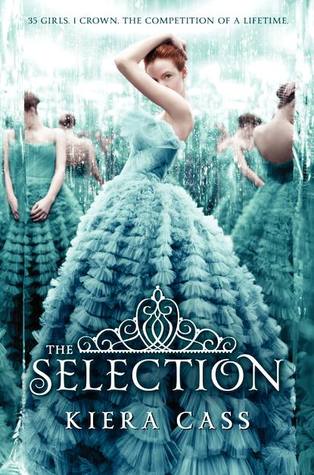
The Selection
|
|
| Overly brave/gutsy teen protagonist |
X
|
X
|
X
|
X
|
| Destroyed or collapsed earth/society |
X
|
X
|
X
|
NO
|
| Division of population into separate groups (Us vs Them) |
X
|
X
|
~
|
X
|
| Rebel group |
X
|
X
|
X
|
X
|
| Love Interest |
X
|
X
|
X
|
X
|
| Near Death Experience |
X
|
X
|
X
|
X
|
| Death of important characters |
X
|
X
|
X
|
X
|
| Corrupted governmental figure |
X
|
X
|
X
|
~
|
| Survival |
X
|
X
|
X
|
X
|
| Resulting Movie Franchise |
X
|
X
|
X
|
NO
|

The identification of dystopian themes and their increasing prevalence in pop culture is quite astute, as there seems to be a new film or novel of this genre nearly every weekend. This writing piece touched on the main reason which I do not tend to take interest in these works, as they are quite predictable and all have similar conventions which often make their plotlines nearly identical. The idea of a young, rebellious protagonist taking on a hierarchy of power in society is always the exigence of these stories, which help them appeal to the audience of young teens, but impose constraints on the originality of the naratives. These critical components of dystopian stories are inherent to the genre and really assist in developing an understanding of how they are structured at their core.
ReplyDeleteYour analysis on dystopian novel is thoughtful and supported by specific examples. Honestly, I have not read the novels you discussed in your writing and the first dystopian novel I have read is 1984 by English author George Orwell published in 1949. This book is shocking and introduced a society where to live become to survive, where having hope is lethal and depression become a way to keep breathing. The scary fact is this hell is not created by natural disaster nor any outside force, but the ambition and greed of mankind. One big part of the novel, and it is mentioned in your project builder, is an oppressive government. How that government control people through hierarchy, secret police and political propaganda.
ReplyDeleteTaleisnik,
ReplyDeleteWow, you used the genre+conventions “let’s test our hypotheses” chart. Super cool! It looks like the conventions that you spotted—rebel groups, corruption, and the death of important characters, to name some—held up almost universally across the board. As you noted, the particularities of genres can bend and shift a bit, and you pinpointed that with how these writers “divide” up groups of society: “They divide the population into groups in some way or another. Districts, factions, castes, call them what you will.”
Hell of a job here, sister. Keep up the great work.
Z